
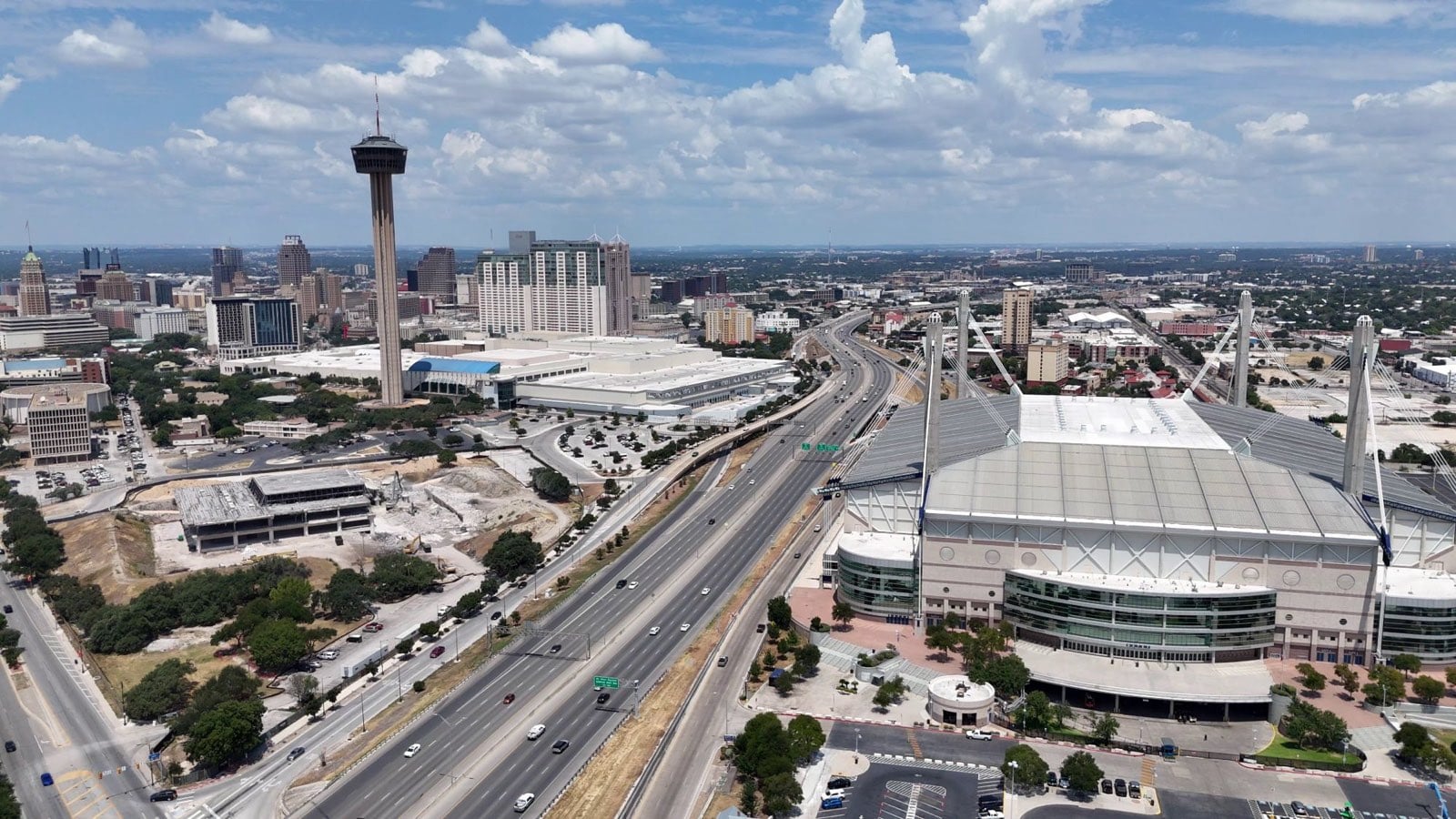
Updated November 2, 2026. Every figure below carries its source and month.
Three hundred fifty-six people upvoted one sentence in a San Antonio relocation thread this year: “It’s hot for more than just the summer.” It was a reply to a Chicagoan whose cousin had offered her Stone Oak house for cheap, asking whether the Texas lifestyle was worth the move.
That thread is one of about thirty I went through for this post, with the City-Data forum, the local press, and the relocation studies, looking for what people who moved here from Chicago, Wisconsin, Utah, Mississippi, Dallas-Fort Worth, and Austin keep saying once the boxes are unpacked. An earlier post covered the three things locals wished you knew before moving; this one is what the movers themselves say. Here are the twelve things they say most, in the order they say them, with the number behind each and what it means if you are deciding whether to buy here. Five are cons, two are pros, five depend on where you are coming from.
Bottom Line Up Front
- The heat is the most-repeated complaint, and it is a utility line more than a mood: one local with an energy-efficient 2,700-square-foot house reported about $600 a month in summer electricity (r/sanantonio, January 2026). Visit in July or August before you decide.
- Cheaper is real and has a catch: the area median sale was $302,999 in September 2026 (SABOR); the average wage here is $31.84 an hour against $36.96 nationally (Dallas Fed, February 2026).
- Traffic depends on where you came from; a Dallas-Fort Worth transplant calls it easy, locals call it the worst it has been. The pros are fewer and nobody argues with them: the people, the food, H-E-B, a cheap weekend, a military city that takes care of its own.
- Verdict: San Antonio works if you pick the commute first, carry the August bill on a paycheck or BAH you already have, and want a slower, cheaper, car-based life. Skip it if the life you want is walkable, the job is still a plan, or five months of heat is a dealbreaker.
- The one action: before the trip, drive your commute at 7:40 a.m. and get twelve months of CPS Energy bills on any house you like.
The twelve things at a glance
| Rank | What people who moved here keep saying | Pro, con, or depends | The number behind it |
|---|---|---|---|
| 1 | The heat is a season, not a month | Con | 75 days at or above 100 degrees in 2023 against a normal of 18 (NWS); about $600 a month in summer electricity on one 2,700-square-foot house |
| 2 | Traffic is worse than it was and better than where you came from | Depends | 39 hours a year lost to congestion, 21st nationally (INRIX, 2024) |
| 3 | Cheaper than where you left, and cheaper for a reason | Depends | $302,999 median sale (SABOR, September 2026); tenth-cheapest large metro, third-highest poverty rate |
| 4 | The people, the food, and H-E-B | Pro | The most-repeated pro in about thirty threads |
| 5 | A car town with a short walkable list | Con | About 500 square miles of city; six walkable areas, most built before 1960 |
| 6 | The paycheck is the con nobody films | Con | $31.84 average hourly wage against $36.96 nationally (Dallas Fed, February 2026) |
| 7 | Taxes, fees, and insurance stack up; no income tax is the other side | Depends | About 2.29 percent in-city property tax rate on 2025 rates; $4,950 of Illinois income tax that does not exist here |
| 8 | Where you land matters more than the city | Depends | Three rings, three gates; the ring sets the tax stack, the roof age, and the commute |
| 9 | Water: the drought, the floods, and the softener | Con | Stage 5 restrictions for the first time in 2025; 13 dead in the June 12, 2025 flood |
| 10 | A giant small town: cheap weekends, a slow pace, a hard first year | Depends | “It’s hard to make friends and meet people here” is a recurring reply |
| 11 | Bugs and cedar fever | Con | Mountain cedar season runs mid-December through February |
| 12 | Military City USA takes care of its own | Pro | An E-6’s $2,094 BAH (2026) carries about a $233,000 house at 7.24 percent |
Ranked by how often each one comes up across about thirty relocation threads, the City-Data San Antonio forum, and the local press, 2025 through October 2026. The sources for every number are linked in the sections below.
Why This Matters
People move here in large numbers and leave in large numbers. Penske ranked San Antonio the third most-moved-to city in the country in 2025 (San Antonio Current, May 2026); U-Haul’s growth index, which nets out departures, put it twenty-first among metros (U-Haul, January 2026). Between Austin and San Antonio the flow ran almost even, 3,540 people one way and 3,517 the other (HireAHelper, November 2025). Much of the churn is orders; some of it is people who bought the December weather.
Leaving is the expensive part. At 7 percent of a $300,000 sale, selling in year two costs about $21,000 before any price cut, and one commenter in that Chicago thread said their house took more than six months to sell (r/sanantonio, January 2026).
Things 1 to 4: The Ones Everybody Mentions
1. The heat is a season, not a month (con)
Heat leads every thread, and the complaint is the length, not the worst day. June through September is the core, and the record year, 2023, put 75 days at or above 100 degrees on the books against a 1991 to 2020 normal of 18 (National Weather Service). “It’s hot for more than just the summer” drew 356 upvotes (r/sanantonio, January 2026); the standing advice is to visit in July or August, not March.
The buyer’s number is the electric bill: CPS Energy’s average was $191.77 a month in 2026 (San Antonio Report, June 2026), and the $600 summer bill above came from a local with an energy-efficient 2,700-square-foot house. Get twelve months of bills and the condenser’s install date before you offer. The trade is November through March.
2. Traffic is worse than it was and better than where you came from (both)
INRIX’s 2024 scorecard put San Antonio twenty-first nationally with 39 hours a year lost to congestion (San Antonio Current, January 2025), behind Houston, Dallas, and Austin, and a Dallas-Fort Worth mover called it “a LOT easier to get around in” (r/sanantonio, April 2026). The Loop 1604 rebuild between I-10 and I-35 is the local sore spot: “Traffic on 1604 from 10 to 35 (North section) is nightmare fuel” (r/sanantonio, April 2026). TxDOT’s segment schedule runs through 2029, with the last piece, Judson Road to I-35, slated to finish that year (TxDOT).
On the channel’s drive tests, Alamo Ranch to Lackland is 22 minutes off-peak and 30 to 38 at rush hour; to downtown, 45 to 55 (2025 to 2026). Four threads tell newcomers to carry uninsured-motorist coverage and a dash cam. Drive the commute at 7:40 a.m. before you offer.
3. Cheaper than where you left, and cheaper for a reason (both)
The area median sale was $302,999 in September 2026 (SABOR); the median two-bedroom rent was $1,173, concessions common (Apartment List, November 2026). A San Antonian weighing a move to Austin on a $60,000 salary was told it “stretches a whole lot more here” (r/sanantonio, May 2026).
The catch is the reply locals give in one form or another: it is cheaper here for a reason. A 2025 affordability report ranked San Antonio the tenth-cheapest large metro and put the income one adult needs to live comfortably at just over $90,000 (KSAT, February 2026), and the Census put the metro’s poverty rate third-highest among the 25 largest (San Antonio Express-News, September 2025).
4. The people, the food, and H-E-B (pro)
“San Antonio has the friendliest people compared to the other cities in TX” (r/sanantonio, January 2026) is the most-repeated pro. A former Austin resident found the “food is cheaper and honestly better” (r/sanantonio, May 2026); H-E-B, headquartered downtown, is on nearly every pro list. Fiesta runs eleven days every April, April 15 to 25 in 2027, and the Spurs are the shared language.
The honest part comes from the people who left: friendly is not the same as fast friends, and more than one transplant wrote that the welcome stopped short of belonging. Easy to like, slow to join; it changes nothing about the house you buy and a lot about whether you stay in it.
Things 5 to 8: The Trade Underneath
5. It is a car town, with a short walkable list (con)
The city covers about 500 square miles (U.S. Census Bureau) and the bus system runs without rail, and the reply to a Wisconsin artist asking for walkability was “This is not the city you’re looking for” (r/sanantonio, February 2026, 96 upvotes). The walkable list locals hand out is six places: the Pearl, Southtown and King William, Monte Vista, Tobin Hill, Beacon Hill, and Alamo Heights, most of it built before 1960, which is its own inspection list.
Outside those six, every errand is a drive, so budget the car as a housing cost; regular gas averaged $3.65 in Texas on November 1, 2026 (AAA). “This used to be trees, now it’s another car wash and strip mall” drew 176 upvotes (r/sanantonio, March 2026).
6. The paycheck is the con nobody films (con)
Jobs come up in eleven threads. The metro’s average hourly wage is $31.84 against $35.17 for Texas and $36.96 nationally (Dallas Fed, February 2026); unemployment is 3.9 percent and average weekly pay $1,298 (Texas Public Radio, September 2025). A Mississippi graduate asking about the tech boom got “Not here there isn’t” (r/sanantonio, March 2026).
The thick sectors are the military, the Medical Center (“Plenty of options for healthcare jobs here,” r/sanantonio, January 2026), cyber and defense, insurance, and grocery. The spouse’s job is the one that goes unfilled. Do not qualify for a house on a job you have not landed. If BAH is the paycheck, it is the one line that will not move.
7. Taxes, fees, and insurance stack up; no income tax is the other side (both)
Texas collects at the house. Inside the city in Northside ISD the 2025 rates stack to about 2.29 percent: $6,870 a year on $300,000 before exemptions, about $4,900 with the $140,000 homestead exemption filed (Bexar County 2025 adopted rates); the 2026 rates posted in October stack to about 2.36 percent. In September the city council adopted a 3.9 percent rate increase, its first in more than three decades, about $35 a year on the average homestead (Texas Public Radio, September 2026), and Texas home insurance premiums rose 21 percent in 2023 and 19 percent in 2024 (KSAT, April 2025). The April appraisal thread read “Legalized theft” and, a few replies down, “It’s gotta come from somewhere” (City-Data, April 2026). The mechanics are in how Texas property taxes really work.
The other side is the income tax that does not exist: a $100,000 household pays $4,950 a year in Illinois at its 4.95 percent flat rate (Illinois Department of Revenue) and nothing here. File the homestead exemption the week you close; the full monthly line is in the companion cost-of-living post.
8. Where you land matters more than the city (both)
The experience depends on the ring. Inside Loop 410 the houses are older and the commutes short. Between 410 and 1604 is the 1970s-to-1990s city: the Medical Center, Castle Hills, Windcrest. Outside 1604 is new construction, the longest commutes, and most of the PIDs and MUDs, the districts that financed the subdivision’s roads and water. For orders, the gate decides: Randolph points to Cibolo, Schertz, and Universal City; Fort Sam to Alamo Heights, Terrell Hills, and Converse; Lackland to Alamo Ranch and Westover Hills. The area-by-area version is in best places to live near JBSA.
The ring sets the tax stack, the roof age, the commute, and who buys the house when you leave. Pick the commute, then the ring, then the house. A couple split between Lackland and Randolph was told “Alamo heights, very nice area and is in the middle” (r/sanantonio, April 2026).
Things 9 to 12: What Surprises People
9. Water: the drought, the floods, and the softener (con)
The Edwards Aquifer Authority called 2025 the second-worst drought in the region’s recorded history (KSAT, June 2025); the San Antonio pool entered Stage 5 restrictions for the first time in May 2025 (KSAT, May 2025), with the J-17 index well bottoming near 623 feet, its lowest since 1990 (KSAT, October 2025). Since then the level has recovered: on November 1, 2026 the pool was in Stage 3 with J-17 at 642.8 feet (Edwards Aquifer Authority). The same year as the record low, a June 12 flash flood on the northeast side killed 13 people, and the July 4 Hill Country floods killed more than 130 (KSAT, December 2025).
Pull the FEMA flood zone from the Flood Map Service Center and read the seller’s flood disclosure; flood insurance is a separate policy. SAWS’s average residential bill rises from $56.58 to $60.59 a month in January 2027 under the rates the city council approved in October (SAWS; KSAT, October 2026), and the water runs 15 to 20 grains per gallon (SAWS water quality FAQ), which is why “buy a water softener” is standard advice; price the install with two companies before closing.
10. A giant small town: cheap weekends, a slow pace, a hard first year (both)
Transplants from the bigger Texas metros describe a giant small town; a 56-upvote reply in one thread remembered “when San Antonio was America’s biggest small town city” (r/sanantonio, March 2026), and a former Austin resident called it “absolutely outdated” (r/sanantonio, May 2026). The weekends are cheap: $8 admission for Bexar County residents on the zoo’s Locals Days, free Tuesday-evening hours for residents at the Witte and the San Antonio Museum of Art, free Thursday evenings for everyone at the McNay, the rodeo in February, Fiesta in April, the Spurs most nights between.
The honest part is the first year. “It’s hard to make friends and meet people here” (r/sanantonio, April 2026) is a recurring reply, and it lands hardest on people who arrive without a built-in network, which orders provide and a remote job does not. A house-hunting trip never shows you this; a year’s lease in the ring you think you want does, which is the case made in renting versus buying during a PCS.
11. Bugs and cedar fever (con)
“Our roaches fly and we have a mosquito problem” (r/sanantonio, April 2026), a Utah mover was told. Scorpions in new construction on the north side; loose dogs, often enough to count. Then December arrives, the mountain cedar releases its pollen, and a 229-upvote thread asks whether it is cedar fever or an actual illness (r/sanantonio, February 2026).
None of it is a reason not to move; all of it belongs in the budget and the inspection: the wood-destroying-insect report, a quarterly pest contract, screens and drainage for the mosquitoes, a pollen-rated air filter before the first January. Standing water in the yard or a tree line against the roof is a bug problem you can see from the curb.
12. Military City USA takes care of its own (pro)
Brooke Army Medical Center, the Audie Murphy VA hospital, commissaries behind three gates, and the Texas exemption that removes the entire property tax bill on the homestead of a veteran rated 100 percent permanent and total (Texas Comptroller). “Great military healthcare too” (r/sanantonio, April 2026). An E-6’s 2026 BAH with dependents, $2,094 (Defense Travel Management Office, 2026 rates), carries about a $233,000 house at 7.24 percent with the exemption filed. The PCS version of this whole post lives on the PCS to San Antonio page.
The honest part is the churn. A January 2025 headline about people leaving San Antonio faster than any metro was explained in the thread by orders, and privatized on-base housing swings between waitlists and move-in specials: in November 2026 the Randolph housing office was advertising two months of free rent and Fort Sam’s immediate availability, so ask the housing referral office for the current wait at your gate. The house you buy on a three-year tour sells to the next family with orders, so buy the one they will want: by the gate, under 30 minutes, roof under ten years old.
What the Ranking Says
Every con has a check: a July visit, a 7:40 a.m. drive, twelve months of bills, a flood map, an offer letter. The difference between the people who stay and the people who leave is decided before the offer is written.
San Antonio works if you pick the commute before the house, carry the August bill on a paycheck or BAH you already have, and want a slower, cheaper, car-based life. Skip it if the life you want is walkable, the job is still a plan, or five months of heat is a dealbreaker.
Step-by-Step Game Plan
- 90 days out: pick the commute. Name the gate or the employer, cap it at 30 minutes at 7:40 a.m., and draw the ring that fits.
- 75 days out: run the paycheck test. Qualify on income already in hand, BAH or a signed offer, and size the house to the local wage.
- 60 days out: book the trip for July or August if you can. If you cannot, pull twelve months of CPS bills on every shortlisted house.
- 45 days out: get the house-specific numbers. The tax certificate, two insurance quotes with the hail deductible in dollars, the FEMA zone, the roof and condenser dates.
- Option period: inspect for this city. The wood-destroying-insect report, drainage, foundation and sewer line inside 410, the 1604 or 281 schedule if the house depends on the road.
- The week you close: file the homestead exemption. Calendar the April notice and the May protest, and write the exit plan: the rent figure, the net at about 7 percent selling cost, the orders month.
Pitfalls and Solutions
Buying the December weather
The trip lands in a 68-degree week, the yard looks like a magazine, and the offer goes in. By August the electric bill is $400. Visit in the heat; if you cannot, read the twelve months of CPS bills as if they were the view.
Qualifying on the national ranking
The lists compare the price to the national paycheck, and the local one runs about 14 percent under it (Dallas Fed, February 2026). Size the house to the income that will exist here.
Agreeing to the commute on a Saturday
Alamo Ranch to downtown is 45 to 55 minutes at rush hour and half that on a weekend. Drive it at 7:40 a.m. on a Tuesday, and read the 1604 schedule if the house sits north of it.
Wanting walkable and buying outside 1604
The walkable list is six neighborhoods inside Loop 410 with houses older than the buyers. Someone who wants to walk to coffee and buys a 2019 house on Potranco has bought the wrong city. Decide which life you want first; the house follows.
Costs, Timing, and Variables
Mountain cedar runs mid-December through February. Hail season runs March through May and sets the insurance premium through the roof’s age. The 100-degree days cluster June through September. Appraisal notices land in April; the protest deadline is generally May 15 or 30 days after the notice (Texas Comptroller).
Two numbers move the decision more than the rest. The 30-year rate was 7.24 percent the week of October 29, 2026 (Freddie Mac), which puts the companion post’s $300,000 house at about $3,110 a month all in. And the cost of leaving: at 7 percent of price, a $300,000 house costs about $21,000 to sell, the number a short tour has to beat before buying makes sense over a lease.
Verify Locally: What to Confirm
- Twelve months of CPS Energy and SAWS bills on the house: with the seller, in writing, before the offer.
- The Loop 1604 and US-281 construction schedules: TxDOT’s project pages, before contracting north of either road.
- The tax certificate and any PID or MUD notice: the title company, inside the option period.
- The FEMA flood zone and the current drought stage: the FEMA Flood Map Service Center and the Edwards Aquifer Authority, before the offer.
- The on-base housing wait and the current BAH figure: the JBSA housing referral office and the Defense Travel Management Office BAH calculator, at orders.
- The employer’s offer letter: in hand before the lender sizes the loan.
Frequently Asked Questions
Is San Antonio a good place to move to in 2026?
For a specific kind of life, yes: car-based, slower, cheaper on the house, built around the base, the Medical Center, or a paycheck from somewhere else. It is a poor fit for a walkable life or a job search after arrival.
How long does the heat actually last?
June through September is the core, and May and October often run in the 90s. The record year, 2023, had 75 days at or above 100 degrees; the 1991 to 2020 normal is 18. The practical measure is the electric bill.
Can I live here without a car?
Only in the six places above: the Pearl, Southtown and King William, Monte Vista, Tobin Hill, Beacon Hill, and Alamo Heights. The bus system runs without rail. Outside that list, plan on a car per driver.
Is it really cheaper than Austin or Dallas?
On the house, yes: the area median sale was $302,999 in September 2026 (SABOR). On the paycheck, no: the metro’s average wage runs about 14 percent under the national figure (Dallas Fed, February 2026).
Will I find a job after I move?
Unemployment is 3.9 percent (Texas Public Radio, September 2025); the thick sectors are healthcare, the military, cyber and defense, insurance, and grocery. Pay outside them runs well under Austin, Dallas, and Houston. Get the offer letter before the lender sizes the loan.
Is the city running out of water?
The region was in its second-worst recorded drought in 2025, with the aquifer’s San Antonio pool under Stage 5 restrictions for the first time (KSAT, June 2025); by November 2026 the pool had recovered to Stage 3 (Edwards Aquifer Authority). For a homeowner that means watering rules, rising SAWS rates, and a yard planted for the climate. The same region floods.
What is cedar fever?
An allergic reaction to mountain cedar pollen, which the Hill Country’s Ashe juniper releases from mid-December through February. People who never had allergies get it in year one. A pollen-rated air filter helps; moving across town does not.
What does the military connection mean for a buyer?
Healthcare at Brooke Army Medical Center and the VA hospital, commissaries behind three gates, a full homestead tax exemption for a 100 percent permanent-and-total rating, and a resale market where the next buyer often has orders too.
San Antonio Context
Three rings, three gates. Inside Loop 410: the walkable list, pre-1960 housing, short commutes to downtown and Fort Sam. Between 410 and 1604: the Medical Center, Castle Hills, Windcrest and Universal City, 1970s-to-1990s houses on the way to Randolph. Outside 1604: Alamo Ranch toward Lackland, Stone Oak and Timberwood Park toward Camp Bullis, Cibolo and Schertz toward Randolph, Helotes and Boerne for the Hill Country, with new construction, PIDs and MUDs, and the longest commutes.
Commutes on file: Alamo Ranch to Lackland 22 minutes off-peak and 30 to 38 at rush hour; Alamo Ranch to downtown 45 to 55 (channel drive tests, 2025 to 2026). Cibolo to Randolph is typically 15 to 20 minutes and Boerne to Camp Bullis 45 to 60 on a bad day; drive both at 7:40 a.m. before you believe either number. District boundaries do not follow the rings; confirm the assigned campus on the district’s boundary map before contracting.
Quick Checklist
- Commute named and driven at 7:40 a.m., under 30 minutes
- House sized to income already in hand: BAH or a signed offer
- Twelve months of CPS and SAWS bills from the seller, in writing
- Tax certificate read for any PID or MUD line
- FEMA flood zone pulled and low-water crossings on the route noted
- Wood-destroying-insect report in the inspection
- Homestead exemption filed the week of closing
- Exit plan written: rent figure, net sale figure, the orders month
Next Best Step
DIY
Read the threads yourself; r/sanantonio and the City-Data San Antonio forum are where the twelve items came from. Pull the NWS climate rankings, the TxDOT project pages, the FEMA Flood Map Service Center, and the Bexar County tax-rate table, then run the payment on a real listing with the 2.29 percent stack.
Professional Help
A buyer’s agent who works relocations will say which ring fits the commute and which subdivisions carry a PID or MUD before you tour. A VA-experienced lender sizes the loan on BAH and the offer letter, not on a plan. An inspector who works this soil and this heat reads the foundation, sewer line, roof, and condenser as one list.
Low-Pressure Consult
If you are buying in the next 12 months, the 15-minute fit call is this post applied to you: the commute and the ring, the real monthly numbers in the areas you are considering, and the exit plan before you write an offer. Straight answers, no sales pitch. If renting first is the smarter move for your year one, that is what you will hear.
About the author
Jesse Lopez is the broker and owner of Blue Utopia Realty in San Antonio, a retired U.S. Air Force veteran with 23 years of service, VA Home Loan Instructor Certified, and the host of the Living in San Antonio Texas channel on YouTube, where he drives the commutes and reads the tax certificates on camera. He was born and raised in San Antonio and has bought, sold, and managed homes on every side of it. More about Jesse.