
New Construction Buyer Orientation: What to Expect at Your Initial Walkthrough
Buying a brand-new home is exciting. Everything is fresh, untouched, and built specifically for modern living. But before you receive the keys, there is one important step many buyers overlook: the buyer orientation, often called the initial walkthrough.
This appointment is not just a quick tour of your new home. It is your opportunity to learn how the house works, confirm that construction was completed properly, and identify items that need correction before closing.
Understanding what happens during this meeting can help you walk into it prepared and confident.
Bottom Line Up Front
- The buyer orientation is a guided walkthrough of your new home with the builder.
- You will learn how major systems operate (HVAC, water shutoff, electrical panels, appliances).
- The builder will document cosmetic or functional items that need correction.
- This appointment usually happens about 1–2 weeks before closing.
- It is primarily educational, not a full inspection replacement.
Why This Appointment Matters
A new construction home may be brand new, but it is still built by people. That means small mistakes or unfinished details can happen.
The orientation allows the builder and buyer to identify these issues early. It also gives you a structured explanation of the home’s systems so you know how to maintain the property after moving in.
Think of this meeting as your introduction to the house.
You are not just buying walls and a roof. You are taking ownership of plumbing systems, heating and cooling equipment, electrical systems, appliances, and maintenance responsibilities.
The orientation is where the builder walks you through all of it.
What Happens During a Buyer Orientation
1. Exterior Walkthrough
Most builders start outside. This allows them to explain drainage, irrigation, and exterior maintenance.
During this stage you may review:
- Grading and drainage patterns
- Sprinkler system operation
- Exterior materials and maintenance
- Fence or property boundaries
- Garage door operation
The builder may also explain how water flows away from the foundation and why landscaping should not interfere with drainage.
2. Home Systems Overview
This is often the most important part of the appointment.
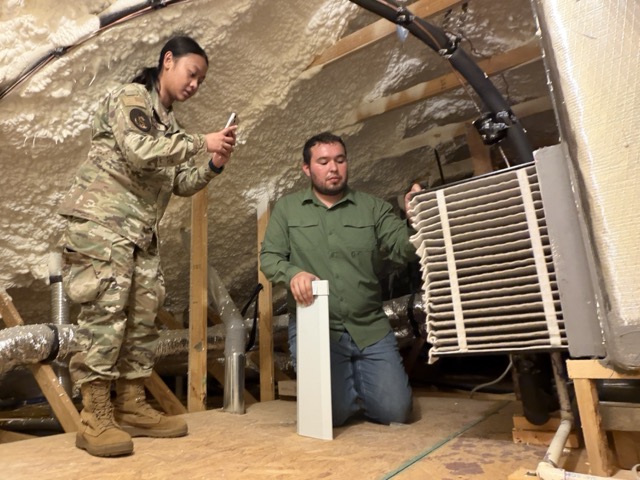
The builder explains the major mechanical systems that keep the house functioning.
You will likely review:
- HVAC system operation
- Thermostat controls
- Water heater location and maintenance
- Main water shutoff valve
- Electrical panel and breakers
- Gas shutoff valves if applicable
This part of the walkthrough is essentially a homeowner training session.
3. Appliance Demonstration
If your home includes builder-installed appliances, the representative will demonstrate how they operate.
This may include:
- Oven and range
- Microwave
- Dishwasher
- Garbage disposal
- Ventilation hood
Even if you have owned homes before, appliance models and features often change.
4. Interior Quality Review
The walkthrough continues room by room.
The builder will check:
- Paint
- Trim work
- Doors and locks
- Windows
- Flooring
- Cabinet alignment
- Lighting fixtures
If you notice cosmetic issues such as scratches, paint touch-ups, or loose hardware, they are typically documented on what builders call a “punch list.”
This list tells the construction team what needs to be corrected before closing.
5. Warranty and Maintenance Education
Most new construction homes include builder warranties.
During the orientation, the builder usually explains:
- What the warranty covers
- What maintenance is the homeowner’s responsibility
- How to submit warranty requests
- Timeframes for different types of repairs
This conversation helps prevent misunderstandings after you move in.
What the Orientation Is Not
Many buyers assume this appointment replaces a professional home inspection. That is not always the case.
The builder orientation is primarily educational. It focuses on demonstrating systems and identifying visible issues.
A third-party inspection is more detailed and evaluates the home from an independent perspective.
Some buyers schedule their inspector to attend the walkthrough or conduct a separate inspection before closing.
Step-by-Step Game Plan for Buyers
Step 1: Bring a Notebook or Checklist
You will receive a lot of information during the walkthrough. Writing things down helps later.
Step 2: Take Photos and Videos
Photos of important locations like shutoff valves, breaker panels, and HVAC filters can be extremely helpful once you move in.
Step 3: Test Everything
Open doors. Turn on lights. Run faucets. Flush toilets. Make sure everything works as expected.
Step 4: Document Cosmetic Issues
Small details like chipped paint or scratched trim should be noted during this visit.
Step 5: Ask Questions
Do not hesitate to ask how things work. This is exactly what the appointment is designed for.
Common Pitfalls and How to Avoid Them
Rushing the Appointment
These meetings typically take 1–2 hours. Trying to rush through the walkthrough increases the chance of missing important details.
Assuming Everything Will Be Fixed Automatically
If something needs correction, make sure it is written on the punch list.
Forgetting Maintenance Instructions
Many warranty claims are denied because required maintenance was not performed. Understanding maintenance expectations early prevents this.
Costs, Timing, and Variables
The buyer orientation typically occurs one to two weeks before closing.
This timing allows the builder to complete punch list items before you receive the keys.
The appointment itself usually lasts between one and two hours depending on the size of the home.
There is normally no direct cost for this meeting since it is part of the builder’s closing process.
San Antonio Context
In San Antonio’s rapidly growing new construction market, buyer orientations are a standard part of the builder process.
Many relocation buyers moving to the area — especially military families assigned to Joint Base San Antonio (JBSA) — purchase homes that are still under construction when they go under contract.
The orientation becomes especially important for these buyers because it may be the first time they see the completed home in person.
Taking the time to understand the home during this meeting can make the transition much smoother after relocation.
FAQ
How long does a buyer orientation take?
Most orientations last between one and two hours depending on the size of the home.
Is this the same as the final walkthrough?
Not always. Some builders combine them, while others schedule a quick final walkthrough just before closing.
Should I bring a home inspector?
Many buyers hire an independent inspector either before or shortly after the orientation.
Can issues delay closing?
Major issues can sometimes delay closing, but most punch list items are cosmetic and addressed quickly.
What if I find something after moving in?
Most builders provide warranty periods for repairs discovered after closing.
Will everything be perfect?
Even new homes can have small cosmetic imperfections. The orientation helps identify them.
Do I receive documents during this meeting?
Many builders provide warranty information, manuals, and maintenance guides.
Can I measure rooms during the walkthrough?
Yes, but focus first on understanding the home systems and documenting punch list items.
Should both buyers attend?
If possible, yes. Two sets of ears help capture more information.
Quick Checklist
- Bring a notebook
- Take photos of important systems
- Test lights, doors, and faucets
- Check walls, trim, and flooring
- Confirm punch list items are documented
- Understand warranty procedures
Next Best Step
DIY
Prepare a new construction walkthrough checklist and bring it with you to the orientation.
Professional Help
Consider scheduling a third-party home inspection before closing.
Low-Pressure Consult
If you are buying a new construction home in San Antonio and want help navigating builder processes, a quick strategy conversation can help you prepare for each step of the build and closing timeline.