
If you’re buying a home in San Antonio, Texas, there’s one component that can quietly make or break your long-term investment: the roof.
I’ve seen buyers focus on countertops, flooring, paint colors, and backyard size—while overlooking the single system that protects everything underneath it. In South Texas, that oversight can cost you thousands. If you’re relocating here, especially from out of state, understanding how roofs perform in our climate isn’t optional. It’s strategic.
Why the Roof Matters More in San Antonio Than You Think
San Antonio homes take a beating from:
- Intense summer heat (100°+ temperatures)
- Sudden hailstorms
- High winds
- Rapid weather shifts
- Occasional tropical systems pushing inland
Unlike milder climates, roofing systems can age faster here. And that matters during negotiations, because a roof nearing the end of its life in San Antonio isn’t just cosmetic—it’s a financial liability.
Roof Age Directly Impacts Your Long-Term Investment
Most asphalt shingle roofs in South Texas last roughly 15–20 years (sometimes less, depending on storm history). When I evaluate a home with my clients, I look at the roof through three lenses:
1) Remaining Life Expectancy
If the roof is 14–17 years old, you may be inheriting a near-term replacement expense. A full roof replacement in San Antonio can range from $8,000 to $20,000+ depending on size and material. That’s not a surprise you want 12 months after closing.
2) Insurance Implications
Insurance carriers in Texas can be strict about roof age. Older roofs may lead to higher premiums, limited coverage, or requirements to replace before a policy is issued. Evaluating the roof before negotiations close helps protect you from post-closing financial strain.
3) Resale and Rental Strategy
For military families PCSing through San Antonio, roof condition directly affects your exit strategy. If you convert the home to a rental, tenants expect zero leaks. Deferred maintenance hurts cash flow, and inspections at resale will flag roof issues immediately. A strong roof protects both resale value and rental viability.
Roof Inspections Should Be Strategic—Not Passive
Here’s where many buyers get it wrong: they assume the general home inspector’s comments are enough. In San Antonio, I often recommend a more strategic approach, which may include:
- A dedicated roofing specialist evaluation
- Verification of prior insurance claims (when available)
- Reviewing permit history if a replacement occurred
- Checking for active or past leaks in attic decking
Negotiations are leverage. Once you close, leverage disappears.
How Roof Condition Impacts Negotiations
If the roof shows signs like:
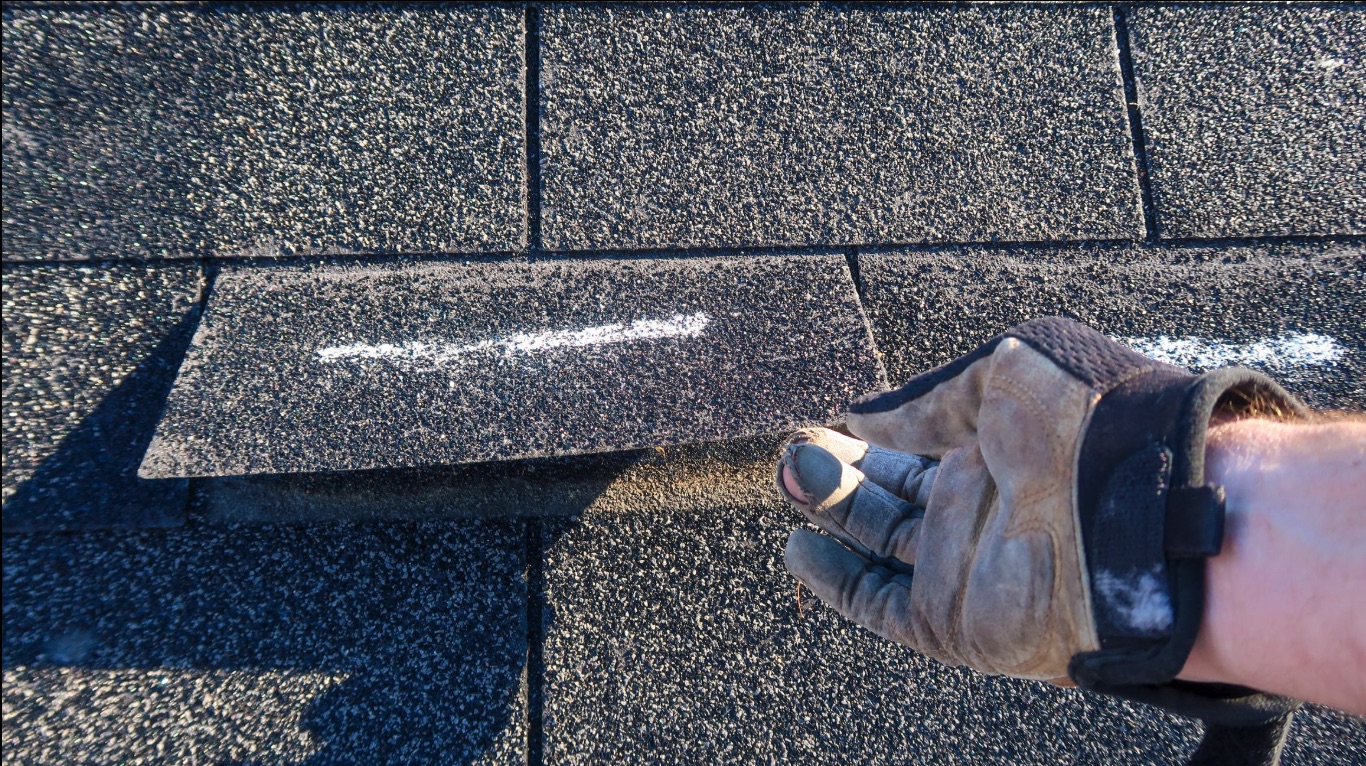
- Hail impact damage
- Granule loss
- Curling shingles
- Soft decking
- Flashing issues
You have options, including:
- Requesting seller replacement
- Negotiating a credit toward replacement
- Adjusting the purchase price
- Asking the seller to address the issue before closing (where appropriate)
Timing matters. If we wait too long, the seller’s motivation to cooperate often drops. Strategic negotiation isn’t emotional—it’s protective.
The Long-Term Ownership Lens
I don’t view real estate as a transaction. I view it as a financial instrument, a stability anchor for your family, and a potential wealth-building asset. A compromised roof can:
- Shorten the usable life of the property
- Increase maintenance costs
- Create water intrusion risk (which can lead to structural damage)
- Impact appraisal and buyer confidence during resale
- Complicate rental income projections
In short, the roof affects every stage of ownership.
A San Antonio Reality Most Buyers Don’t Consider
Many neighborhoods across the city were built in large phases in the early 2000s. That means entire communities can approach roof replacement cycles at the same time. This can influence:
- Comparable sales
- Insurance trends
- Buyer negotiation strength
- Market timing
If a subdivision has many homes nearing roof end-of-life, buyers may gain leverage. If many already replaced roofs after a hail cycle, sellers may gain leverage. This is the kind of detail that protects your decision-making.
Protecting Your Investment the Right Way
Here’s how I approach roof risk with my clients:
- Identify roof age early (before writing an aggressive offer).
- Review the seller’s disclosure carefully.
- Pay attention to storm patterns in the area and visible wear on neighboring roofs.
- Bring in a roofing specialist when the situation warrants it.
- Use inspection results strategically during negotiations.
- Consider your long-term exit strategy before waiving protections.
Because once we remove contingencies, we remove protection. And that’s not how I operate.
Final Thoughts
In San Antonio, the roof is not just another line item. It’s protection against severe weather, a major financial component, a negotiation tool, and a long-term wealth variable.
If you’re buying here—especially relocating from out of state—don’t underestimate it. Your future self will thank you.
Quick Next Step
If you’re considering purchasing a home in San Antonio and want to approach it strategically—without guessing—let’s look at the roof and the rest of the home through a protection-first lens so you can make a confident decision.